Source:
Yomiuri Shimbun (Yomiuri Online)
“iPS細胞を患者の血液から自動で作製できる装置を開発”
Published April 20, 2026
https://www.yomiuri.co.jp/science/20260420-GYT1T00298
⚙️ From Handmade Cells to “Push-Button Biology”
Creating iPS cells today is a bit like crafting a luxury watch:
highly precise, extremely delicate — and very expensive.
Now, Panasonic Holdings wants to turn that process into something closer to pressing a button.
On April 20, 2026, the company announced it has developed a system that can automatically generate iPS cells from a patient’s blood, with commercialization targeted for fiscal 2028.
🧪 What the Machine Actually Does
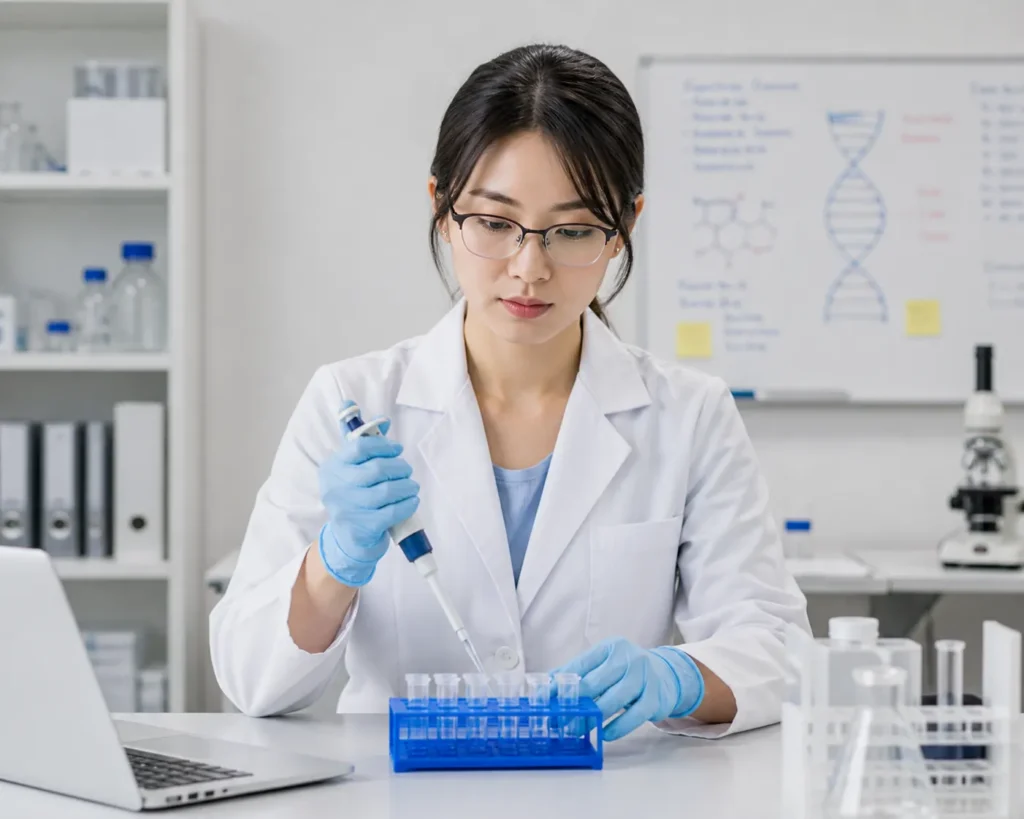
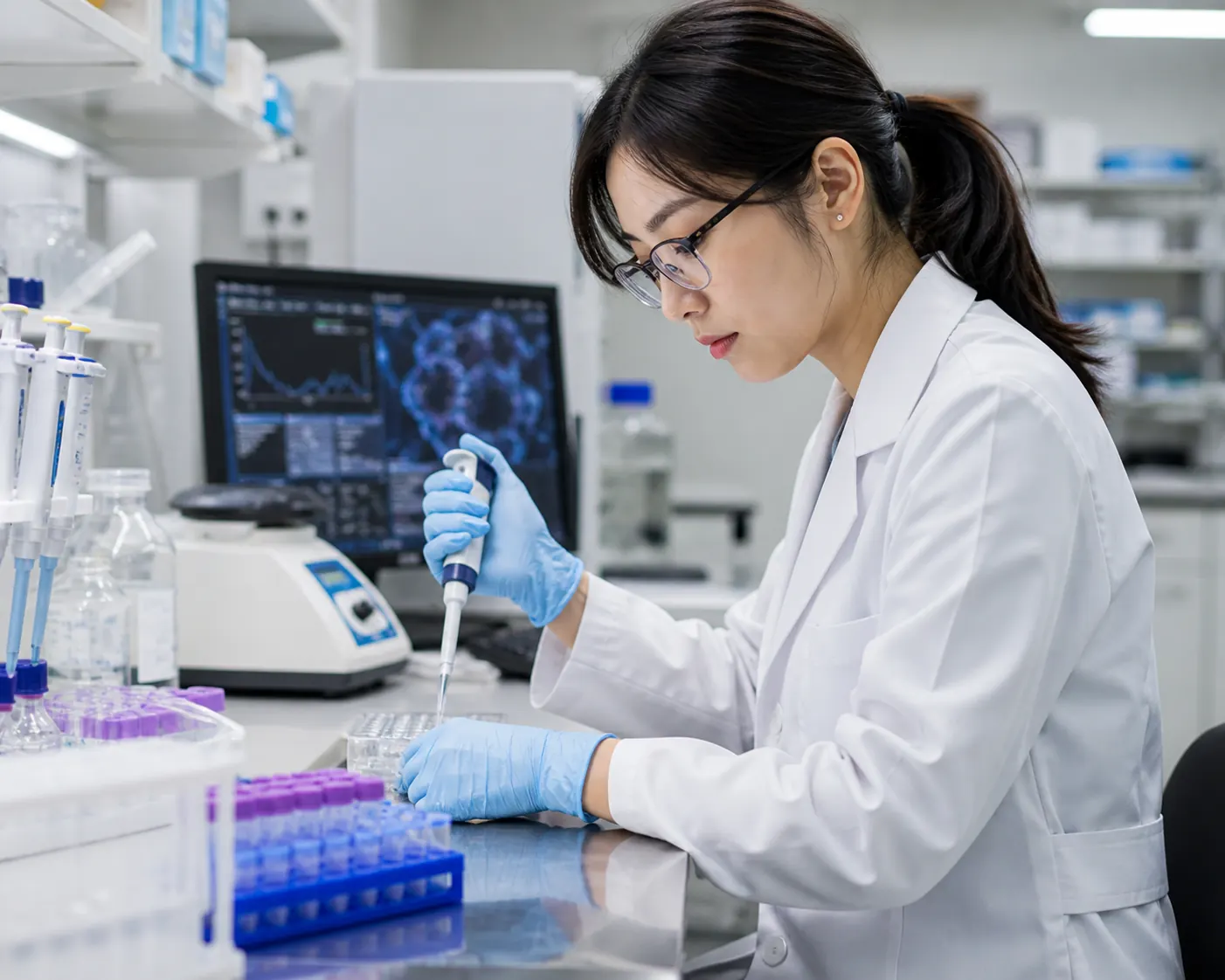
The device — about the size of a compact refrigerator — performs the entire process:
- Takes in a patient’s blood-derived cells
- Introduces the necessary genes
- Cultures the cells under controlled conditions
- Produces iPS cells in 2–3 weeks
All of this, with minimal human intervention.
In other words, what used to require skilled technicians working step-by-step can now be handled by a single integrated system.
💰 The Real Breakthrough: Cost
Here’s the part that matters most.
Today, producing iPS cells manually can cost around:
👉 ¥50 million (≈ $300,000+) per patient
The goal?
👉 Reduce that to around ¥1 million (≈ $6,000–7,000)
That’s not just an improvement.
That’s a 50× cost reduction.
And the key to that shift is simple:
automation.
🤖 Why Automation Changes Everything
iPS cells have always had enormous potential —
but also a hidden problem: scalability.
- Skilled labor is required
- Processes vary between facilities
- Quality control is complex
Automation solves all three.
The system can also monitor cell culture conditions in real time, collecting detailed data — something that’s difficult to achieve consistently by hand.
As one researcher involved in the project noted, automation could enable both:
👉 lower costs
👉 higher quality consistency
A rare combination in biotech.
🏙️ Testbed: Nakanoshima Cross
The system will be tested in collaboration with the
Kyoto University iPS Cell Research Foundation.
Verification experiments are scheduled to take place at
Nakanoshima Cross —
a rapidly emerging hub for advanced medical innovation in Osaka.
Interestingly, the foundation already operates a German-made automated system, meaning this project is not just about automation —
it’s about making it better, cheaper, and more data-driven.
🔬 Why This Matters
If iPS technology is the “engine” of regenerative medicine,
then cost has been the “brake.”
This development begins to release that brake.
Lower-cost iPS cells could enable:
- Wider access to regenerative therapies
- Faster clinical research
- Scalable manufacturing for global use
Or put more simply:
👉 From rare treatment → realistic option
🔭 What Comes Next
The next step is proving that automation can deliver not just cheaper cells —
but cells you can trust.
Because in medicine, cheaper is good…
but reliable is everything.
✨ Final Thought
For years, iPS cells have represented the future of medicine.
But the future doesn’t just need breakthroughs —
it needs production lines.
Panasonic’s system hints at something bigger:
Not just discovering new biology,
but learning how to manufacture it at scale.
And when that happens, regenerative medicine may finally move
from exceptional
to everyday.
📚 Reference
- Yomiuri Shimbun (2026)
Panasonic develops automated iPS cell production system
Content is summarized and partially quoted for informational purposes with full attribution to the original source.